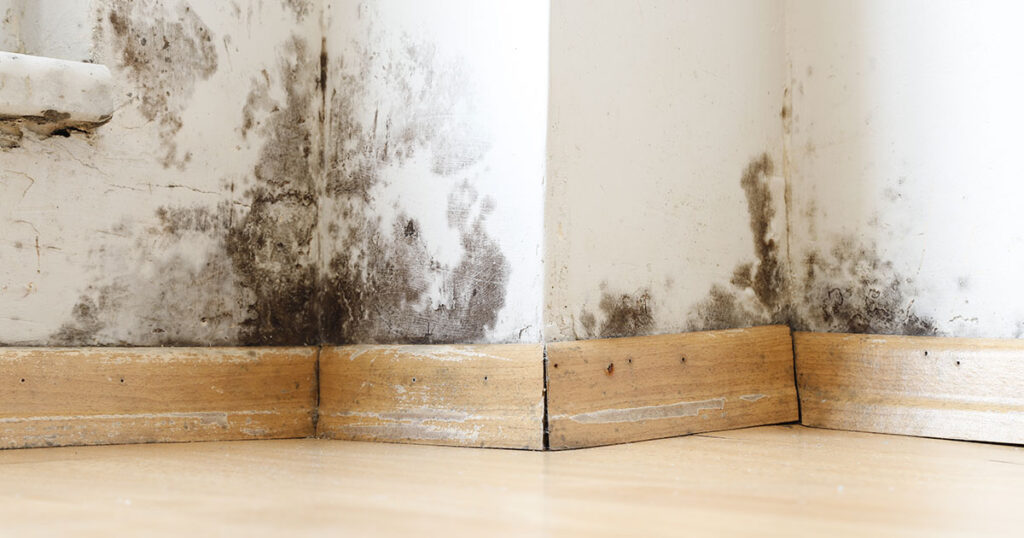

Water damage often begins quietly, spreading behind walls, under floors, or above ceilings before visible signs appear. By the time stains, odors, or warping are noticed, moisture may already be affecting structural materials and indoor conditions. Early moisture detection plays a major role in the effectiveness of water damage restoration. Recognizing subtle indicators allows property owners to respond before damage becomes widespread and costly. Modern restoration practices emphasize awareness, timely inspection, and informed response to limit disruption. Understanding how early detection influences recovery outcomes helps highlight why prompt attention can protect property value, indoor comfort, and long-term building performance.
What the Following Sections Explain
Hidden Moisture and Its Initial Impact
Moisture intrusion does not always follow dramatic events like flooding or burst pipes. Slow leaks from plumbing, roof penetrations, or appliances can introduce water into building materials over extended periods. This hidden moisture weakens drywall, softens wood, and compromises insulation without immediate surface evidence. When undetected, it can spread laterally and vertically, affecting multiple areas from a single source. Early detection enables restoration professionals to isolate affected areas, preventing moisture migration quickly. This focused response reduces the need for extensive demolition and preserves more of the original structure. Addressing water presence at this stage limits secondary damage and shortens the overall recovery timeline.
Technology and Detection Methods
Advances in moisture-detection technology have significantly changed how water-damage restoration begins. Tools such as moisture meters, infrared imaging, and hygrometers help identify damp areas that are not visible to the naked eye. These tools provide data that guides decision-making, allowing targeted drying and repair strategies. During inspections connected to reliable water restoration by Sarkinen Restoration, technicians often rely on these readings to determine how far moisture has traveled and which materials are affected. Accurate detection ensures that drying efforts address all impacted areas, reducing the risk of lingering moisture that could cause future problems. Technology-driven detection supports a more precise and effective restoration process.
Reducing Structural and Material Loss
When moisture is identified early, restoration efforts can focus on drying and salvaging materials rather than replacing them. Wood framing, subflooring, and cabinetry often retain their integrity if dried promptly and correctly. Early detection minimizes prolonged exposure, a major factor in material degradation. This approach preserves more of the building’s original components, maintaining structural continuity and reducing waste. Limiting material loss also helps keep the property’s appearance and functionality. From a recovery standpoint, this efficiency translates into less invasive work and a smoother return to normal use of the space.
Health and Indoor Environment Considerations
Moisture that remains hidden for extended periods can alter indoor conditions, affecting occupant comfort. Elevated humidity can cause odors and discomfort, while damp materials can degrade indoor air quality over time. Early detection allows restoration teams to address moisture before it significantly alters the indoor environment. Proper drying and dehumidification stabilize humidity levels, supporting a healthier indoor atmosphere. This proactive response helps maintain comfort and reduces the likelihood of long-term indoor issues that require additional intervention later.
Cost Control and Restoration Efficiency
From a financial perspective, early moisture detection directly influences restoration costs. Smaller affected areas require fewer resources, less labor, and shorter project timelines. When water damage is caught early, restoration can often proceed without major reconstruction, keeping expenses more predictable. This efficiency benefits property owners by reducing downtime and limiting the scope of repairs. Insurance processes may also proceed more smoothly when damage is documented early and addressed promptly. Overall, early detection supports a controlled restoration process that balances thoroughness with efficiency.
Read More: https://acubi.us/vacation-outfits/
Long-Term Property Preservation
Early moisture detection helps preserve property over the long term by preventing recurring issues caused by unresolved water damage. When moisture sources are identified and addressed promptly, the likelihood of future damage decreases. This proactive approach supports building durability and reduces the frequency of restoration needs over time. Properties that receive timely attention maintain their value and functionality more effectively. Early detection becomes part of a broader strategy focused on protecting structural integrity and ensuring consistent indoor conditions across seasons.
Early moisture detection plays a defining role in the success of water damage restoration. By identifying water intrusion before it spreads, restoration efforts become more focused, efficient, and less disruptive. Timely detection limits material loss, supports healthier indoor conditions, and helps control overall costs. It also reduces long-term risks associated with repeated moisture exposure. Understanding the impact of early detection highlights its importance as the first step in effective recovery. When moisture issues are recognized quickly, restoration can proceed with greater precision, preserving both the structure and the comfort of the space for years to come.