
Installing a heating system requires more than technical knowledge; it demands a careful focus on safety to protect both homeowners and technicians. HVAC companies follow rigorous steps during these projects to prevent hazards, minimize risks, and ensure systems operate efficiently once installed. From checking gas connections to handling electrical components, every stage carries its own set of safety challenges. Proper training, the right equipment, and thorough testing form the foundation of a safe installation. For customers, understanding the measures taken by HVAC teams can provide peace of mind that their system will be reliable and secure for years of use.
Safety protocols and practices
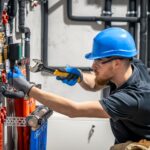
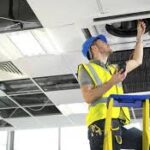
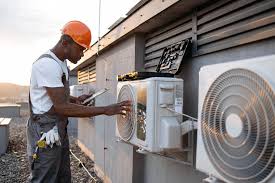
The process of installing a heating system begins long before any equipment is installed. Companies first evaluate the property, inspecting ventilation routes, electrical capacity, and gas supply lines. Identifying these elements early ensures that no unsafe conditions are overlooked. Once installation begins, protective gear such as insulated gloves, safety glasses, and masks is used to minimize risks while handling heavy units or dealing with dust and debris. Companies also adhere to local building codes and manufacturer requirements, which act as standards for both safety and efficiency. During each step, careful coordination between technicians guarantees that every part is installed correctly, minimizing the chances of leaks or electrical faults. Customers seeking services like heating and air conditioning in Barrie often look for assurance that safety remains a top priority and that installations comply with industry regulations to the letter.
Handling gas and electrical risks
Heating systems often rely on gas connections or electrical wiring, both of which can pose significant hazards if not properly managed. HVAC companies pay special attention to sealing joints, checking valves, and ensuring no leaks are present before a unit is activated. Gas leaks can lead to dangerous situations, so technicians use detectors and pressure tests to confirm safety. On the electrical side, grounding equipment, checking circuit capacity, and verifying fuse ratings prevent overloads and fire risks. In many cases, companies hire licensed electricians to support complex projects that involve higher power demands. This teamwork reduces the likelihood of overlooked issues and adds another layer of security for homeowners. Beyond the physical connections, technicians educate homeowners about warning signs, such as unusual smells or tripped breakers, to promote safe operation after installation is complete.
Importance of ventilation and airflow
Proper ventilation is a critical part of heating system safety. HVAC companies design and install ductwork with airflow efficiency in mind, ensuring carbon monoxide and other harmful gases are safely directed outside. Blocked or poorly sized vents can lead to a dangerous accumulation of fumes within the home, so technicians carefully calculate airflow and double-check exhaust outlets for obstructions. Regular testing during installation helps identify weak points where leaks could occur, and adjustments are made to maintain both air quality and heating performance. Ventilation also impacts the lifespan of the system, as restricted airflow forces units to work harder, increasing the risk of mechanical failure. By focusing on this detail, companies protect the health of residents while extending the value of the heating system.
Training and compliance standards
One of the strongest safeguards during heating system installations comes from the training that technicians undergo. HVAC companies invest in ongoing education to keep workers updated on safety codes, technology changes, and new equipment. This training not only covers technical aspects but also emphasizes personal safety measures, emergency procedures, and customer communication. Compliance with national and local codes is consistently reinforced throughout every project, and documentation is often required to verify that all guidelines have been adhered to. By maintaining this standard of training and compliance, companies ensure that their technicians are prepared to handle unexpected challenges without compromising their integrity. Homeowners benefit by knowing that their heating system installation is supported by processes designed to reduce risks both immediately and over time.
Read More: https://acubi.us/efficient-plumbing-solutions/
Monitoring and post-installation checks
Once a heating system is installed, HVAC companies conduct thorough inspections to confirm that all components are functioning safely. This includes pressure tests, combustion checks, electrical load assessments, and ventilation analysis. Technicians may run the system under different conditions to identify potential weaknesses before leaving the site. Monitoring also extends to carbon monoxide detectors and thermostats, ensuring they are correctly installed and calibrated. A post-installation checklist helps maintain accountability, as each step must be verified before the project is considered complete. Additionally, many companies offer follow-up visits or maintenance packages to ensure systems continue to run safely. These ongoing checks reinforce the commitment to safety and provide homeowners with long-term confidence in their investment.
Heating system installations are complex undertakings that require strict attention to safety at every stage. HVAC companies work to protect homeowners by inspecting properties beforehand, applying protective gear, and following established codes. Gas and electrical systems receive meticulous attention, with careful testing and secure connections designed to prevent hazards. Proper ventilation ensures harmful gases are removed, while training and compliance keep technicians prepared for challenges. Post-installation monitoring further safeguards homes, confirming that systems run as intended. With these practices, HVAC companies demonstrate a strong commitment to safety, allowing families to enjoy reliable warmth during colder months without worry of preventable risks.