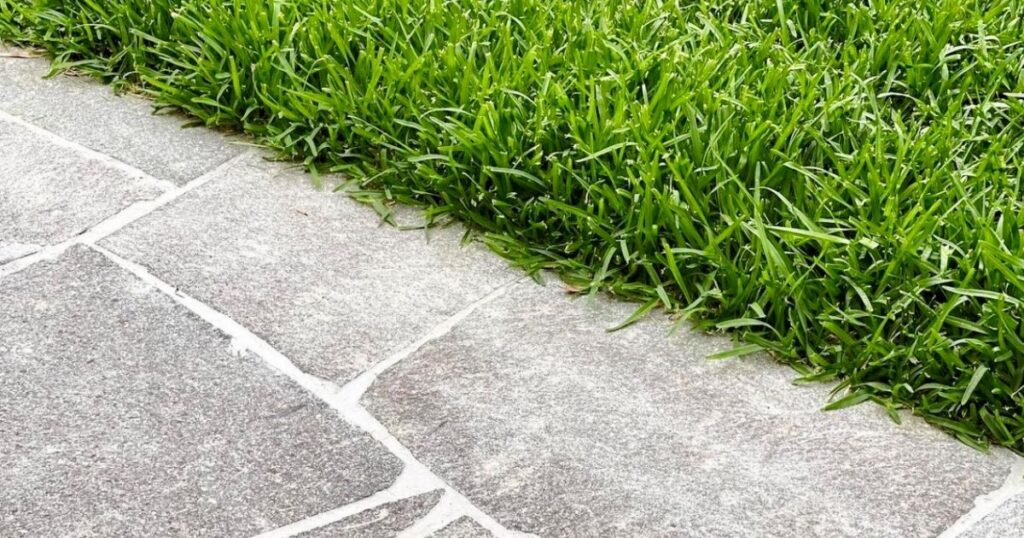

With the rise of sustainability in the home and garden, it’s more important would-be landscapers choosing greener alternatives for their lawns. Buffalo grass is lauded not only for its soft texture, thick growth and resistance to dry weather, but also for its sustainable qualities. With water conservation, energy efficiency and overall ecological benefits to name a few, buffalo grass gives you an attractive way to go green in your outdoor space. These benefits show why this turf is touted as an organic solution for contemporary gardens.
Water Conservation and Drought Resistance
One of the most significant environmental benefits of buffalo grass is its low water requirement. Traditional lawns often demand frequent watering, which can strain local water resources and increase household utility costs. In contrast, buffalo grass has a deep, fibrous root system that enables it to access water from deeper soil layers, reducing the need for frequent irrigation.
The drought-resistant nature of buffalo grass is what makes it ideal for areas with water restrictions or erratic rainfall. By using less water to keep a beautiful lawn, homeowners help conserve water and have an attractive, green yard. For vegans and tree-hugging gardeners, its efficiency in water use also makes buffalo grass a winner over other water-intensive options.
Reduced Energy and Maintenance Needs
Energía Traditional lawn upkeep can be energy intensive, largely through mowing, fertilizing and watering. Because buffalo grass grows more slowly, it needs to be mowed less often, thus saving fuel for gas-powered mowers, or electricity for electric ones. Its toughness also significantly reduces the need for heavy fertilizing, aerating or chemical applications, which eliminates even more usage of resources and energy.
When homeowners select buffalo grass, they not only spare time and money, but also reduce the carbon footprint that comes with lawn maintenance. This low maintenance energy use is conducive to other environmental friendly goals, so that makes buffalo grass not just a doable but responsible choice for anyone looking to go green with their landscaping.
Soil Health and Erosion Control
Another important ecological benefit of buffalo grass lies in its positive impact on soil health. Its dense, fibrous roots improve soil structure, enhance aeration, and reduce the risk of compaction. Healthy soil is better able to retain moisture and nutrients, supporting sustainable plant growth while reducing runoff and erosion.
Buffalo grass’s root network also stabilizes slopes and vulnerable areas, preventing soil loss and protecting surrounding vegetation. By maintaining soil integrity, this grass supports a healthier ecosystem and contributes to the long-term sustainability of residential gardens and public spaces.
Biodiversity and Habitat Support
Buffalo grass can also help support some native wildlife in the area when not mowed too short. Its thick foliage shelters many insects, small animals and beneficial microbes, creating a balanced ecosystem within your garden. The decreased application of fertilizers and pesticides commonly associated with buffalo grass, decreases chemical runoff, which may protect water bodies and wildlife habitats in the vicinity.
For green-minded homeowners, buffalo grass offers an opportunity to create a lawn that is not only aesthetically pleasing, but that promotes a healthier, stronger environment.
Carbon Sequestration and Air Quality
Like all plants, buffalo grass participates in carbon sequestration, with photosynthesis taking in carbon dioxide. Although the contribution of one lawn may be minimal, the extensive application of buffalo grass over homes and businesses could collectively prove a useful tool in chipping away at atmospheric CO2. It also helps local air quality by trapping dust and pollutants with its thick foliage.
These benefits reaffirm that when you opt for buffalo grass, you’re not just making a visual choice, but you’re helping reduce your environmental impact while fostering cleaner, healthier neighborhoods.
Conclusion
When considering a sustainable lawn product, buffalo grass is noted for water conservation, low-energy maintenance, soil retention, support for biodiversity, and assistance with carbon sequestration. Buffalograss is a realistic and environmentally friendly option for the homeowner who wants to minimize the environmental impact and still have an attractive, hardy lawn.
From water conservation to energy reduction and soil and wildlife health, buffalo grass provides a suite of environmental benefits that few other turfs can rival. It is hardy and adaptable with minimal watering requirements which makes it a perfect choice for the environment aware homeowner, demonstrating that gorgeous lawns and green living solutions can certainly be intertwined.
By taking advantage of the environmental benefits of buffalo grass and playing to its strengths, homeowners can develop a yard that is attractive, long-lasting, and conscientious, bringing new meaning to the word eco when it comes to the latest and greatest in turf for landscaping and beyond.